For decades, the banking and insurance industries have rested on a bedrock of COBOL—a programming language so old it predates the moon landing. Billions of lines of code that run the world’s financial transactions have been virtually untouchable, guarded by a shrinking priesthood of developers who know how to maintain it.
This week, that stronghold crumbled.
Anthropic has released Claude Code, a specialized AI model capable of accurately translating legacy COBOL into modern, maintainable languages like Java and Python. The market reaction was swift and brutal: IBM, the titan of mainframe computing, saw its stock crater by 13% in a single day.
Why This is a Turning Point
We have had “transpilers” before. We have had AI that can write snippets of code. But we have never had an agentic AI capable of understanding the logic of a sprawling, undocumented COBOL monolith and rewriting it without breaking the bank.
“This isn’t just about syntax translation; it’s about logic preservation. The AI is doing what human teams have failed to do for twenty years.”
The Science of the Shift
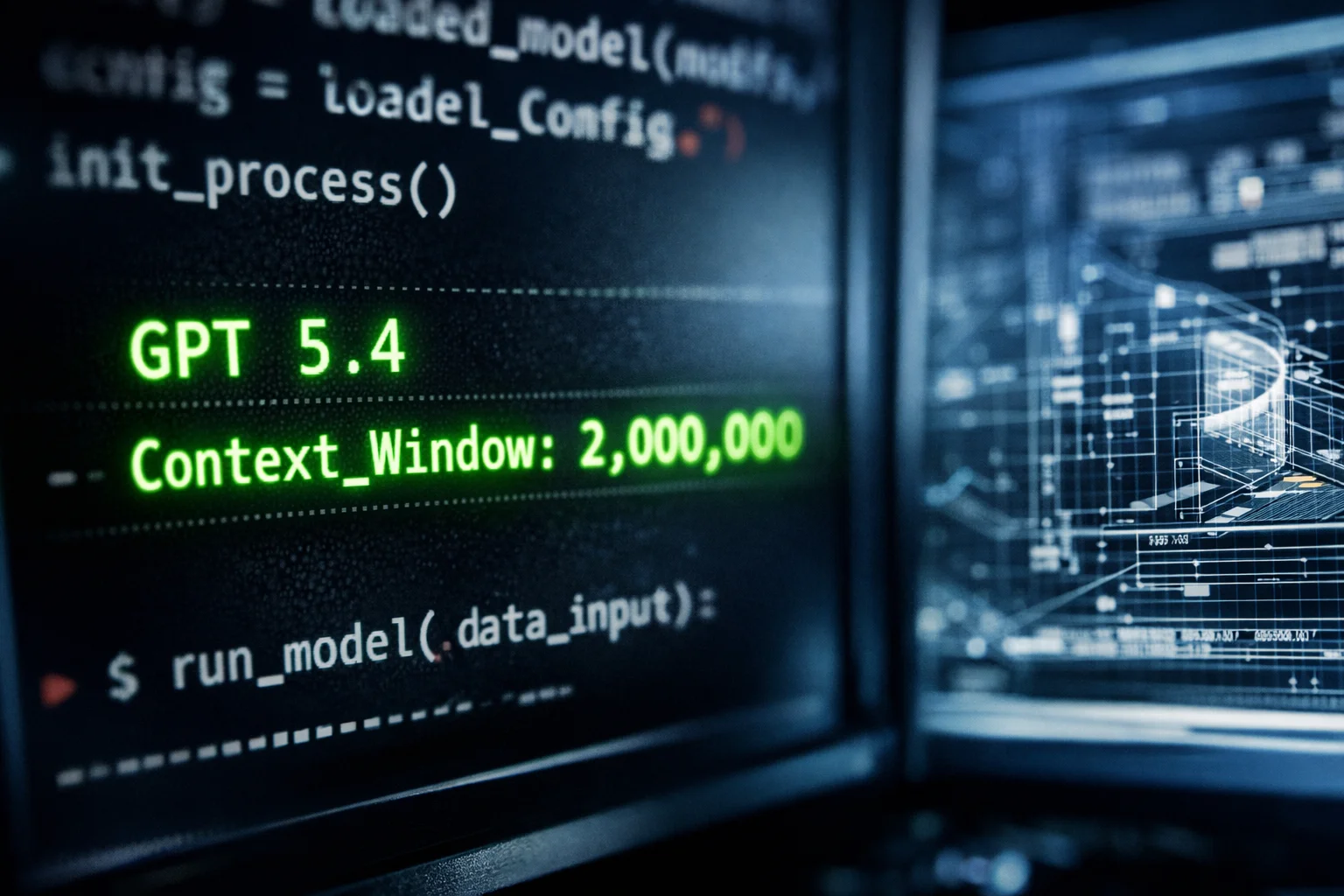
The breakthrough relies on a new approach to “context windows” and reasoning. Modernizing a mainframe isn’t a line-by-line task; it requires understanding how a variable defined on line 10 affects a transaction on line 10,000. The new model variants from Anthropic (and rumored counters from Google’s Gemini 3.1) are finally large enough and smart enough to hold that entire context in memory.
What’s Next?
We are likely to see a “Great Migration” over the next 18 months. As legacy technical debt evaporates, institutions that were previously paralyzed by their own infrastructure will suddenly become agile.
For the scientific community, this is a proof-of-concept for AI archeology: using intelligence to decode and modernize not just software, but potentially unstructured scientific data from decades past.
Sources:
* Times Online: Big Blue’s Brutal Monday
* Anthropic Research Blog